


Renting your place for a World Cup match weekend? A strategy call makes sure you structure it to keep the income — not hand a slice to the IRS by accident. No pitch — you leave with a plan.
Hey,
The 2026 World Cup is on right now — June 11 through July 19, 104 matches across 16 host cities. If you live in or near one of them, you're sitting on a short, intense window of demand. Most hosts are busy arguing about nightly rates. They're missing the bigger number.
There's a line in the tax code that can make your World Cup rental income completely tax-free at the federal level. Not deferred. Not reduced. Zero. It's Section 280A(g) — the same rule Augusta homeowners have used during the Masters for decades. And the World Cup fits it almost perfectly.
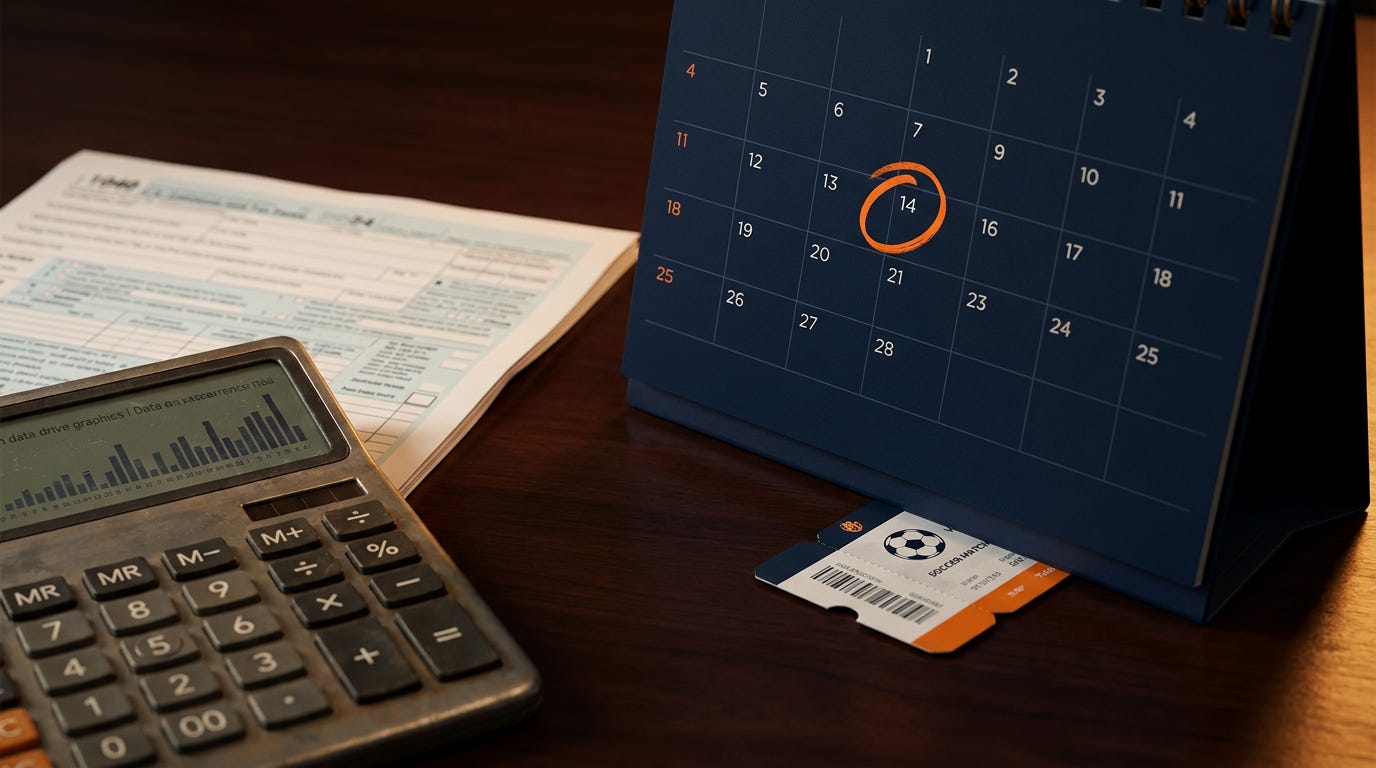
But it's a cliff, not a slope. Rent for 14 days or fewer this year and the income is excluded entirely. Rent for 15 — even by one night — and every dollar becomes taxable, from the first night on. Structure it right and a match weekend pays you clean. Get it wrong and you've handed the IRS a cut you never owed.
I've spent 15+ years in this space, trained more than 10,000 operators through CashFlowDiary, and recorded 237+ podcast episodes breaking down the deals that work and the ones that don't. The operators who win events like this aren't the ones who charge the most — they're the ones who keep the most.
• • •
The rule: 14 days, then a cliff
Section 280A(g) says this: if you use a home as a residence and rent it for fewer than 15 days in the year, you don't report the rental income at all. The IRS spells it out in Topic 415 — “don't report any of the rental income and don't deduct any expenses as rental expenses.” The income simply isn't counted.1
The threshold is 14 rental days or fewer, and the days don't have to be consecutive. Two separate match weekends totaling 12 nights still clears the bar. The catch is the trade-off: because the income isn't reported, you also can't deduct the cleaning, the utilities, or the repairs tied to those rental days. For a 14-day window at event pricing, that trade is almost always worth it.
Key reframe: this isn't a deduction you squeeze out at tax time. It's an exclusion you set up in advance — by controlling one number: total rental days for the year.
Why the World Cup is the perfect 14-day window
The rule was written for exactly this. Homeowners in Augusta, Georgia rent their houses during the Masters — one or two weeks each April, $5,000 to $15,000 for a modest three-bedroom — then leave town and come back when it's over. Congress codified that pattern into 280A(g). The World Cup is the same shape at national scale: concentrated demand, elevated pricing, a short window, and a home you actually live in the rest of the year.
A single match weekend sits comfortably inside 14 nights. You don't convert your home into a year-round operation — you open it for one high-demand window and close it again. Maximum revenue, minimum complication, zero federal tax on the income when it's structured cleanly.
The winners at an event like this aren't the hosts who charge the most. They're the ones who keep the most. — J. Massey
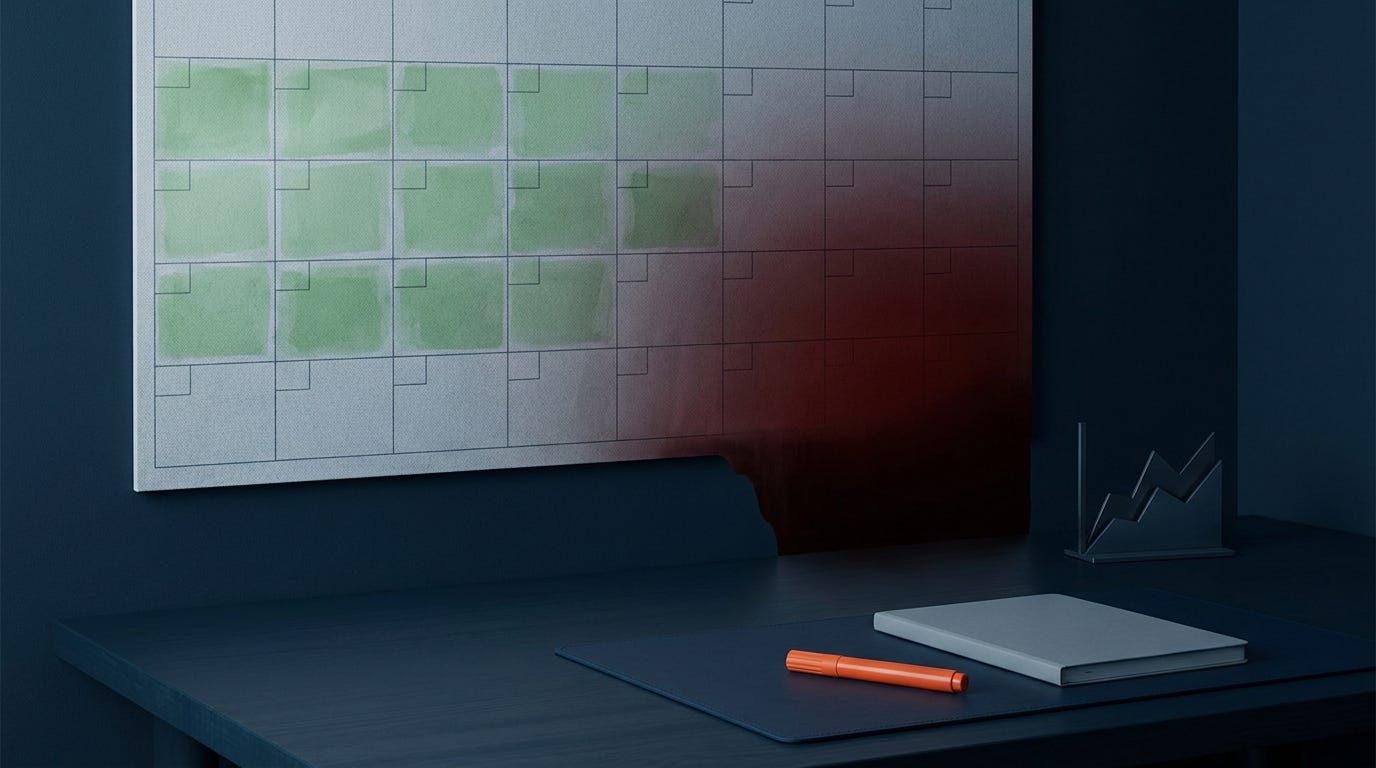
Fourteen days is the whole game. Day fifteen is a different tax return.
The 3 conditions you can't skip
One — it has to be a personal residence. If the property is already a full-time short-term or long-term rental, this rule doesn't apply; landlords report that income normally. The exclusion is for the home you live in and open for the window.
Two — 14 days or fewer, counted across the whole calendar year, not just the World Cup. If you rent a 10-night window in June and then host a wedding party for 5 nights in September, you're at 15 — and the entire exclusion vanishes. Track the total.
Three — no income reported means no rental expenses deducted, and your state and local lodging taxes still apply. The federal income exclusion doesn't touch the occupancy and tourist taxes your city collects — budget for those separately.
Why this matters: this is a reporting structure, not a loophole you bend. The rule is binary and the IRS knows the date math. Stay at 14, keep clean records of the nights, and the income is yours.
The math: what one window is actually worth
The demand isn't hypothetical. Reported 2026 World Cup data shows booked nightly rates up about 48% versus the same period last year, and rates for previously-unsold nights up roughly 145%. In Monterrey, the night of one group-stage match jumped from $66 to $320 — a single date. Montclair, New Jersey saw short-term-rental occupancy climb 169% during the group stage. With an estimated 382,000 Airbnb guests spending an average of $122 a night on lodging, a clean two-weekend window in a host market can clear five figures.2
Run your own number before you do anything else: your nightly rate times the nights you'd rent, capped at 14. That's the income on the table — and federally tax-free if you stay under the line. That last part is the difference between a good month and a great one, and it costs you nothing but discipline on the calendar.

14 nights or fewer — the rental income is federally tax-free.
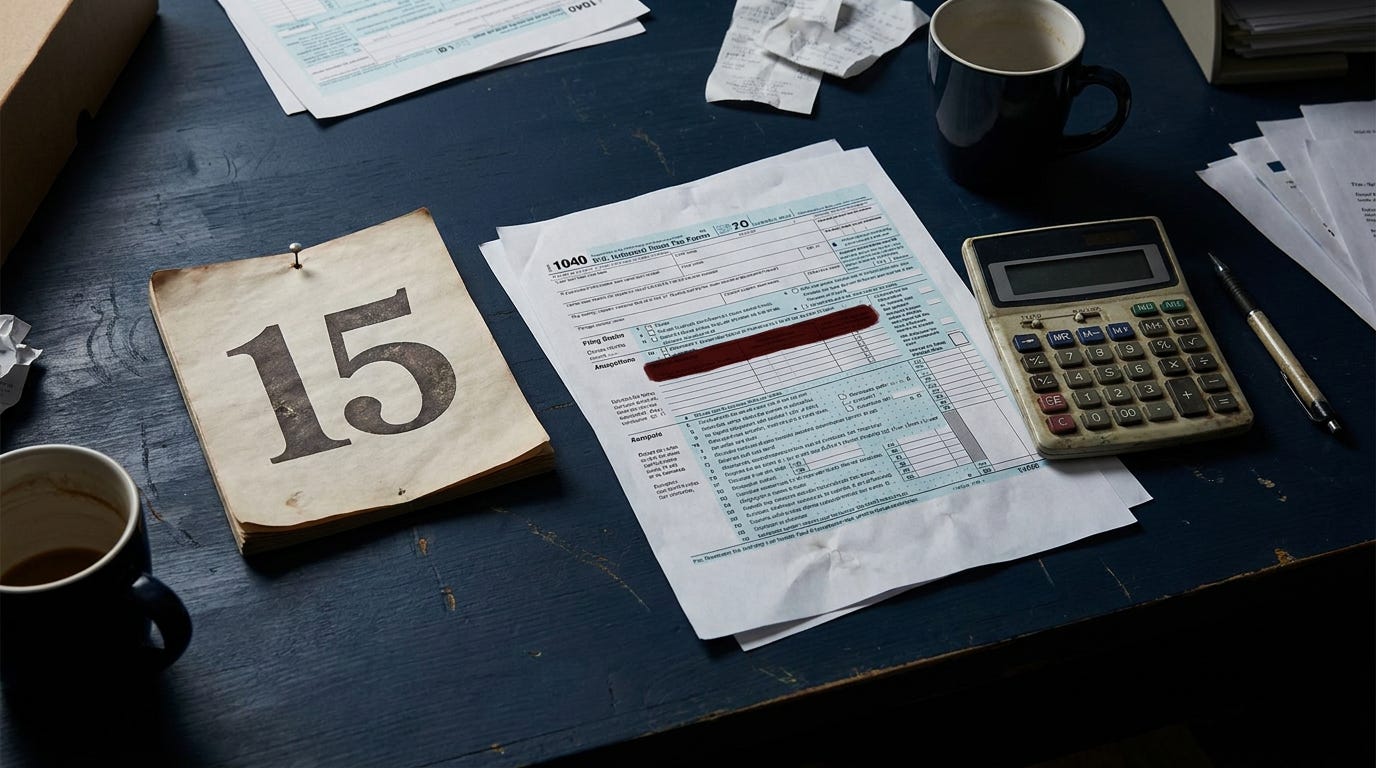
15 nights — and all of it becomes taxable, from day one.
Confirm the home is your personal residence, not an active rental.
Count every rental night you've booked — or plan to book — this calendar year.
Cap your World Cup window so your yearly total stays at 14 nights or fewer.
Price for the match-window demand, not your normal weeknight rate.
Set aside your state and local lodging taxes — those still apply.
Common Questions
Is this actually legal? Yes — it's Section 280A(g), a long-standing part of the tax code, the same rule Augusta homeowners use for the Masters. The income exclusion is the law, not a gray area.
What if I already run the place as an Airbnb year-round? Then this rule doesn't apply — you report that income normally. The exclusion is only for a home you use as a residence and rent for a short window.
Should I just trust this and file on my own? Treat this as the structure, not personalized advice — I'm not your CPA. Confirm your specific situation with a tax professional before you file. The rule is simple; your circumstances might not be.
Keep reading:
What the 2026 World Cup Is Teaching STR Operators (From the Inside)

It's not creating opportunity. It's exposing who built systems and who's winging it.
Ready to structure your World Cup window right?
If you're in or near a host city and thinking about opening your home, the time to get the structure right is before the booking, not after. On a strategy call we'll map your window, your day count, and your pricing so you collect the demand and keep the income. No pitch — you leave with the plan.
• • •
P.S. Count your rental nights for the year before you list. The whole strategy lives or dies on staying at 14 — reply if you want a second set of eyes on your number.
CashFlowDiary — real numbers, real strategy, one shipped idea at a time.
Ready for the next step?
IRS Topic 415 and Internal Revenue Code Section 280A(g): a dwelling used as a residence and rented fewer than 15 days a year — 14 or fewer — is excluded from gross income, with no rental income reported and no rental expenses deducted.
2026 World Cup demand figures (booked-rate, occupancy, and per-match pricing changes; ~382,000 guests at ~$122/night) come from reported short-term-rental market data for the tournament period — confirm current numbers for your own market before pricing.
Day 15 doesn't just cost you the tax on day 15. It makes every dollar you already made taxable. One extra night and you owe on all of it.