


Listing for the World Cup? A strategy call walks your city's permit, residency, night-cap, and tax rules before you take a booking — so you capture the window without catching a five-figure fine. No pitch — you leave knowing you're clear.
Hey,
The 2026 World Cup is pulling nightly rates 50% to 118% above last year across the 11 US host cities. The window looks irresistible. And that's exactly when operators make the most expensive mistake of the tournament: they list first and check the rules second.
Here's the part the headlines skip. Every single host city regulates short-term rentals — permits, residency rules, night caps, taxes, zoning — and for the World Cup they're tightening enforcement, not relaxing it. New York and Boston both turned down Airbnb's push for tournament exceptions. New Jersey's Attorney General put out formal enforcement guidance ahead of the event.
One illegal listing can cost more than your entire World Cup payday. Miami Beach starts first-violation fines at $20,000. Los Angeles runs $2,000 a day over the cap. One weekend at $400 a night nets you $1,200 — and a single fine erases that plus the next fifteen weekends with it. The compliance check takes fifteen minutes. The fine lasts years.
I've spent 15+ years in this space, trained more than 10,000 operators through CashFlowDiary, and recorded 237+ podcast episodes breaking down the deals that work and the ones that don't. The operators who win an event like this don't just price well — they make sure the deal is legal before they touch it.
• • •
The cities are tightening enforcement, not loosening it
Operators assume a once-in-a-generation event buys them a pass. It buys the opposite. Cities know the demand is here, so they're watching harder — and the platforms enforce it for them. Airbnb and Vrbo remove unregistered listings at the city's request, and once you're delisted you earn nothing until you prove registration. The fines aren't theoretical: New York runs $1,000 to $5,000 per violation, Houston $100 to $500 a day for unregistered operators, Los Angeles up to $2,000 a day once you pass your annual cap, and Miami Beach opens at $20,000 for a first offense.1
Run the math the way a regulator does. A great World Cup weekend might net you a four-figure number. A single fine is a five-figure number — and it doesn't just erase the weekend, it erases the season. The operators who check the rules before they list take the income. The ones who list first and check second take the fine.
Key reframe: World Cup demand doesn't override your city's STR law. Treat the 15-minute compliance check as the first line item of the deal, not an afterthought.
Permits and residency: where most hosts get caught
Two of the five patterns catch the majority of operators. First, registration. All eleven host cities require a permit — Philadelphia's Limited Lodging License at $150, Atlanta at $150, Seattle at $75, San Francisco at $250, Boston's registration plus proof of $1 million in liability insurance, Houston's $275 registration that platforms now enforce. Kansas City even created a World Cup-specific $50 “Major Event” permit good May 3 through July 31. No valid permit, no legal listing — and no way around the platform's delisting.
Second, primary residence. Most cities only allow short-term rentals in the home you actually live in. Los Angeles requires it be your primary residence; Boston wants nine months of occupancy; San Francisco wants 275 days; Atlanta caps you at two properties and requires you to live in one at least 183 days. If you're an investor running several units, several of these cities simply aren't your World Cup play — you'd co-host with a resident or pivot to a 30-day-plus mid-term stay instead.
World Cup demand doesn't override local law. Cities don't relax the rules for a mega-event — they enforce them harder. — J. Massey
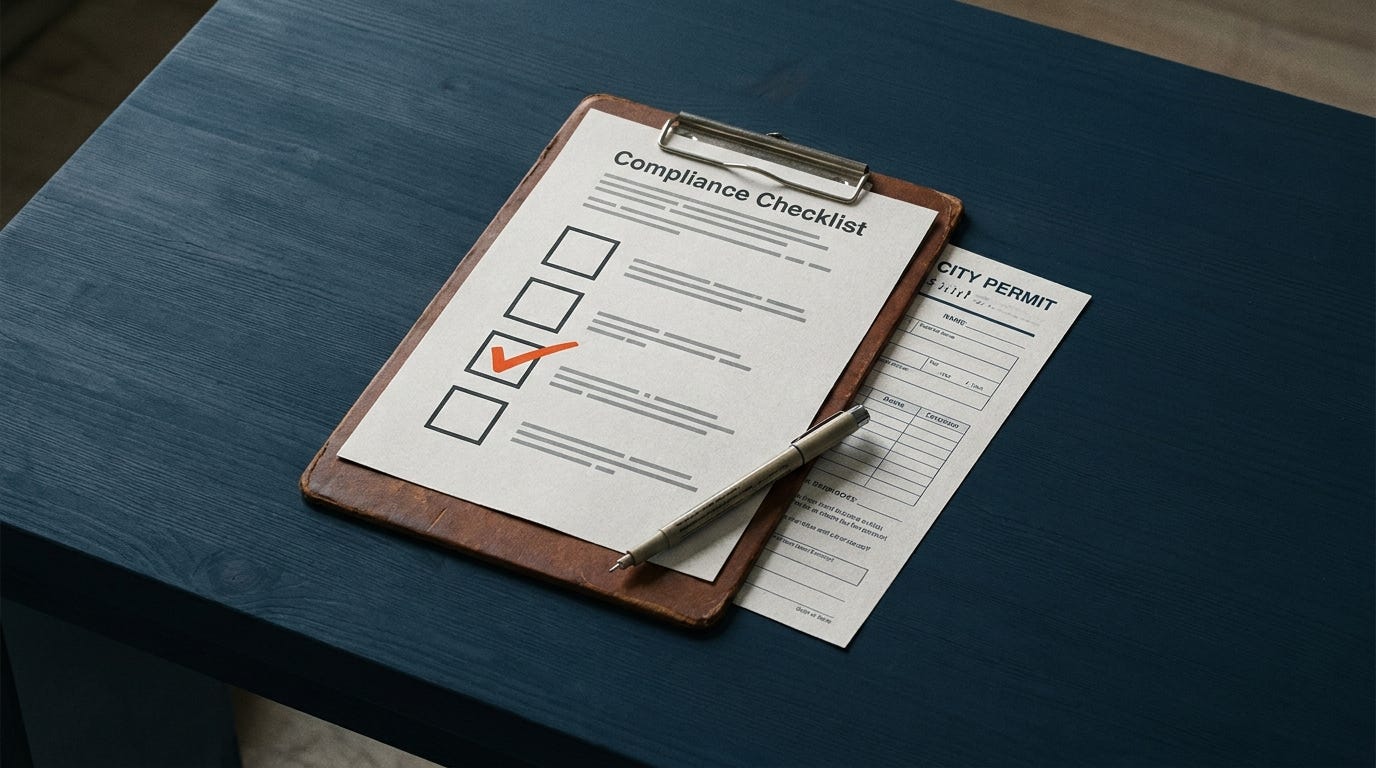
Five patterns trip up most hosts: permits, residency, night caps, taxes, and outright bans.
Night caps, taxes, and the outright bans
The other three patterns finish the picture. Night caps: Los Angeles limits unhosted rentals to 120 days a year, San Francisco to 90 — and if you've already burned most of yours in 2026, the World Cup nights you have left may be fewer than you think. The city tracks the days too. Taxes: every host city makes you collect and remit occupancy tax — Philadelphia's 8.5%, Atlanta's combined load around 21%, and Miami's stack of a state DBPR license, a county Certificate of Use, and a city Business Tax Receipt before you can even collect payment. Platforms collect some automatically and leave the rest to you; failing to remit is its own separate violation.2
And then the simplest one: some places just say no. More than seventy-five New Jersey municipalities prohibit most short-term rentals outright, and New York and Boston's rules amount to an effective ban on the entire-home, investor-style listing most operators picture. If you're in one of those, the answer isn't a clever workaround — it's a different market or a different model.
Why this matters: permit, residency, nights, taxes, ban — five checks, fifteen minutes. Miss one and the platform delists you or the city fines you, and the World Cup money you were chasing turns negative.
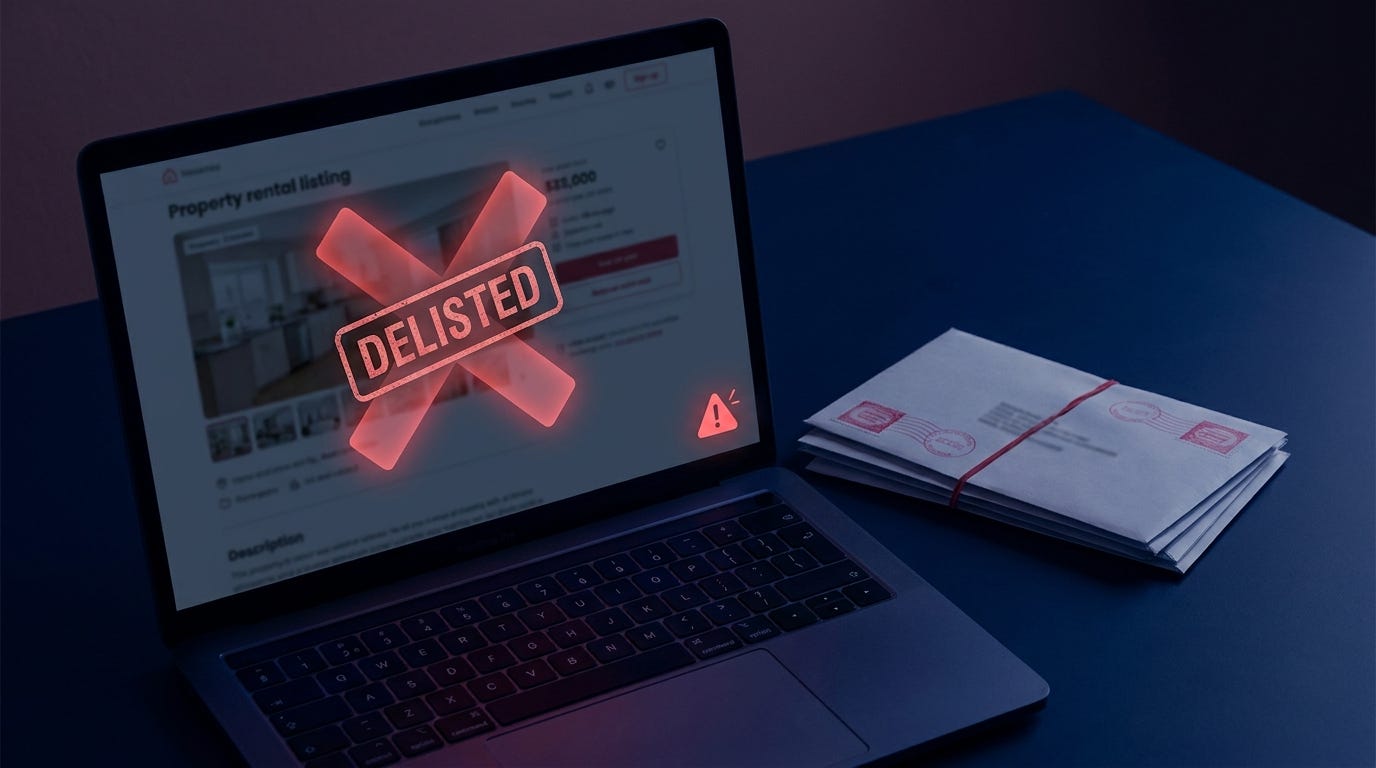
List unregistered, and the platform delists you or the city fines you.
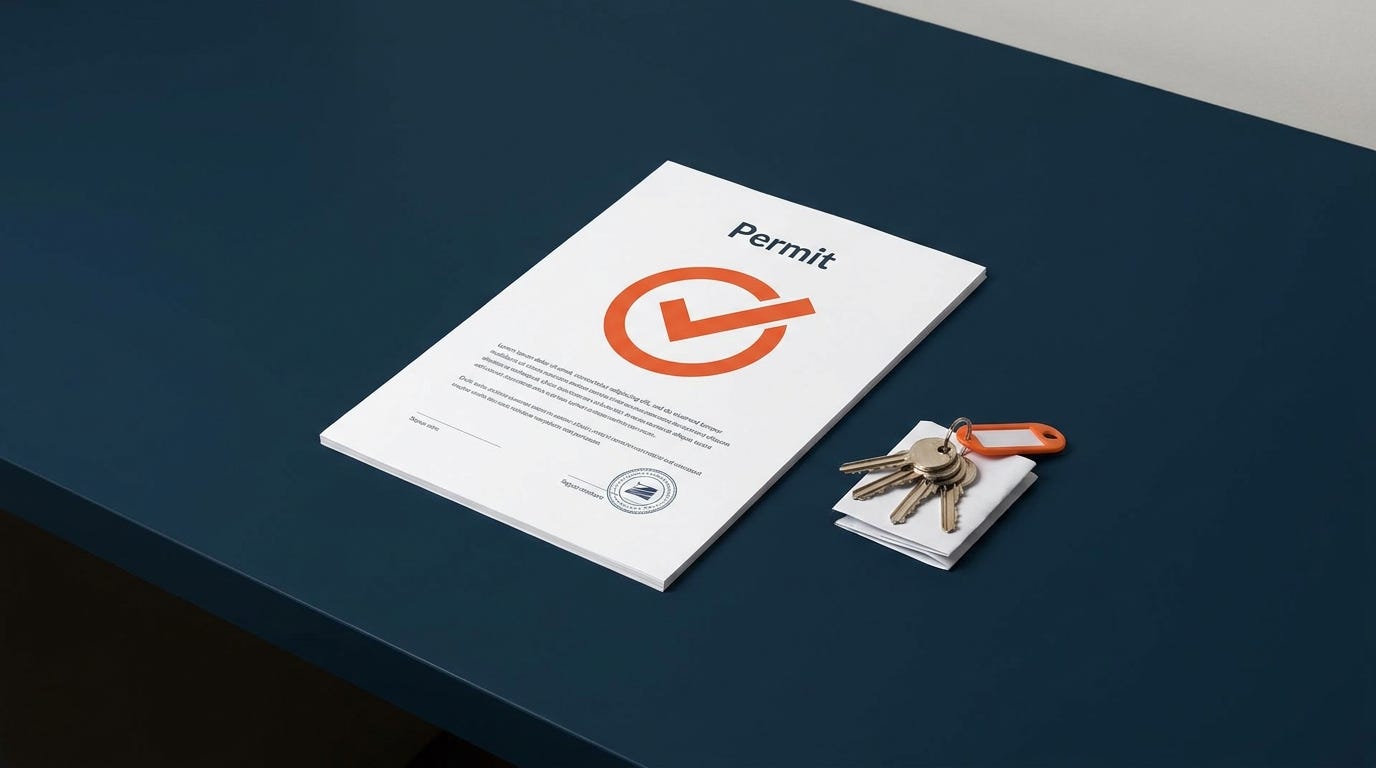
Register, confirm residency, remit the tax — and the income is clean.
Permit: find your city's STR registration — is it open, and what's the fee and processing time?
Residency: does your city require this be your primary home?
Night cap: how many short-term nights a year are allowed, and how many have you used?
Taxes: what does your platform collect, and what must you file and remit yourself?
Allowed at all? Some cities — and 75+ New Jersey towns — ban most STRs outright.
Common Questions
Doesn't a huge event like the World Cup get me a temporary pass? No — the opposite. New York and Boston both rejected exactly that request from Airbnb, and New Jersey issued enforcement guidance ahead of the tournament. Mega-events bring more scrutiny, not less.
I'm an investor with a few properties, not a primary residence. Several host cities limit short-term rentals to your primary home, so those markets may be off-limits for an entire-home listing. Co-hosting with a resident or running a 30-day-plus mid-term stay can keep you legal where a short-term listing can't.
Is this legal advice? No — it's awareness so you ask the right questions. Rules change and vary down to the zoning block. Confirm your specific situation with your city's STR office or an attorney before you list. The 15-minute check tells you whether you even have a question to ask.
Keep reading:
World Cup 2026: Most Operators Priced With Pride, Not Math

Across 16 host cities, asking rates ran $497 a night while guests booked at $332. Here's what the booked data actually rewarded.
Ready to confirm you're clear to list?
If you're eyeing the World Cup window but not 100% sure your listing is compliant, that uncertainty is exactly what costs operators five figures. On a strategy call we'll walk your city's permit, residency, night-cap, and tax rules against your actual property — so you either list clean or know to sit this one out. No pitch — you leave knowing where you stand.
• • •
P.S. Run the five checks on your own listing tonight — permit, residency, night cap, taxes, ban. Reply with the one you're unsure about and I'll point you to where to confirm it.
CashFlowDiary — real numbers, real strategy, one shipped idea at a time.
Ready for the next step?
Reported 2026 World Cup STR rules: all 11 US host cities require a permit/registration ($50–$275); fines range $100–$20,000 per violation, some $500–$2,000/day (Miami Beach $20,000 first violation; LA up to $2,000/day over cap; NYC $1,000–$5,000). Primary-residence rules, night caps (90–120 days), and outright bans (75+ NJ municipalities; NYC/Boston effective bans on entire-home STRs) apply. Rules change and vary by city — verify yours.
This edition is awareness, not legal or tax advice. STR regulations differ by city and even zoning block and change frequently; confirm your specific obligations with your city's short-term-rental office or a qualified attorney before listing.
Miami Beach opens first-time STR violations at $20,000. One World Cup weekend at $400 a night is $1,200. The fine doesn't erase the weekend, it erases the next four months.